
Lead
As a disruptive innovation in robotics, Soft Robotics Technology integrates multiple disciplines, including biology, materials science, mechanical engineering, and control theory. Leveraging intelligent soft materials, it enables highly flexible, highly adaptable, and highly safe operations. It is now accelerating its transition from the laboratory to industrial deployment, unlocking enormous potential across fields such as intelligent manufacturing, the low-altitude economy, marine equipment, smart agriculture, Embodied Intelligence, and medical rehabilitation. As the development path for new quality productive forces becomes increasingly clear, industry demand continues to rise for high-quality technical and skilled talent with both engineering practice capabilities and innovative thinking.
Three-Year Development Goals
Building a Replicable Model for Industry-Education-Research Integration
2026
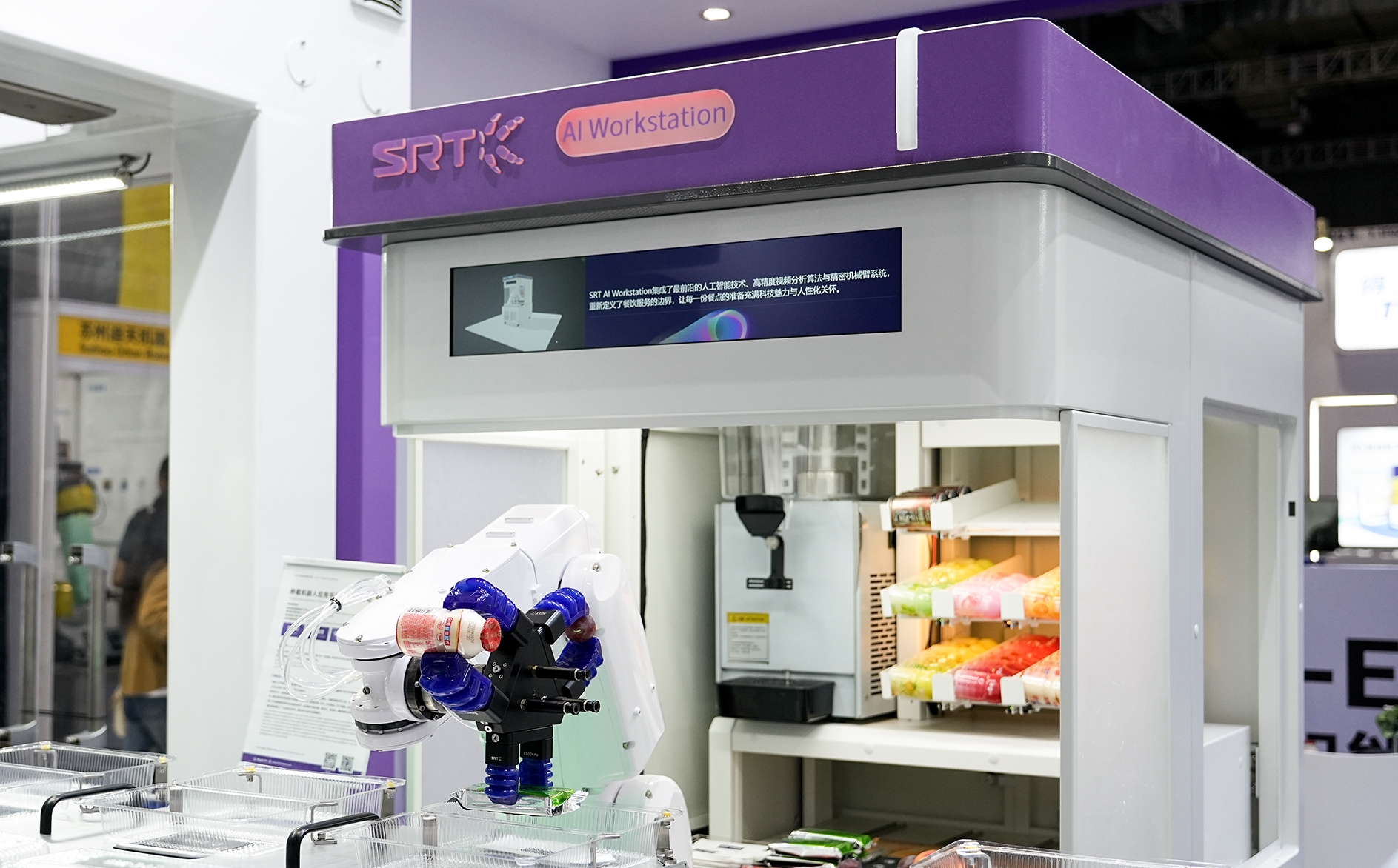
To implement the coordinated plans for building a strong education nation, a strong science and technology nation, and a strong talent nation, and to connect the industrial chain, education chain, innovation chain, and talent chain, the Machinery Industry Education Development Center and Beijing Soft Robot Tech Co., Ltd. (SRT) are jointly advancing the Machinery Industry Soft Robotics Technology Industry-Education-Research Integration and Innovation Center Project.
The project plans to promote the establishment of approximately 30 technology R&D and transfer centers with significant practical results across the country within three years. Focusing on the urgent industry demand for high-quality skilled talent, it will carry out in-depth cooperation around typical applications of soft robotics in areas such as the construction of testing platforms, pilot-scale application testing, new product R&D, and proof of concept. Through these efforts, it aims to develop a series of replicable and scalable innovative models and typical cases of industry-education-research integration, and to build a soft robotics technology R&D and application ecosystem that serves local regions, extends nationwide, and supports the development of key industrial sectors.
Four Key Directions
Advancing Multi-Domain University-Industry Collaborative Development
2026
The Industry-Education-Research Integration and Innovation Center mainly advances university-industry collaborative development across four core directions.
01
Bionic Decterous Actuator Industry Application Equipment Development Project
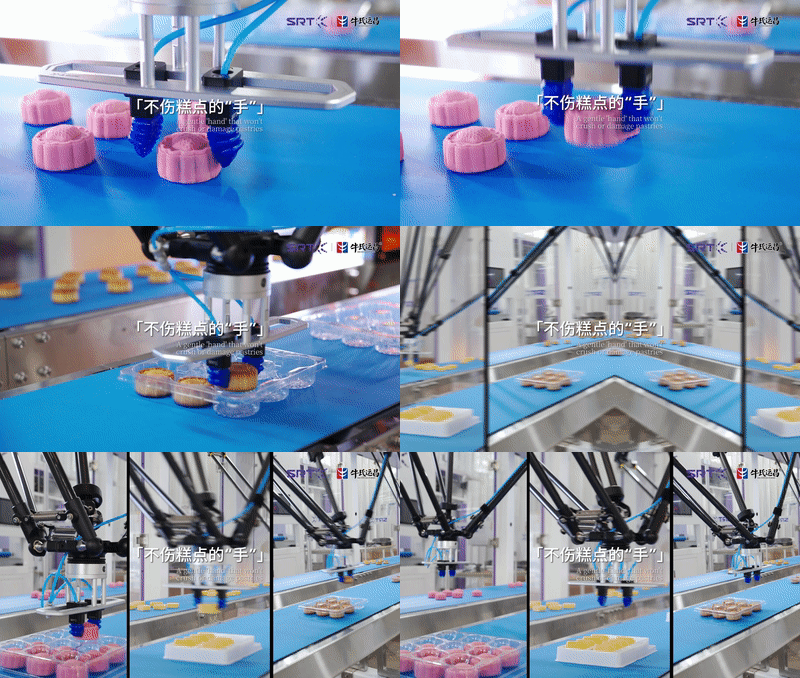
Targeting the operational pain points of irregularly shaped and damage-prone items in industries such as 3C electronics, hardware processing, agricultural product sorting, and food processing and packaging, educational institutions and enterprises will jointly develop standardized process equipment and deployable solutions, strengthening the institutions' capacity to serve local industrial upgrading.
02
Soft Robotics Technology Pilot-Scale Testing Project
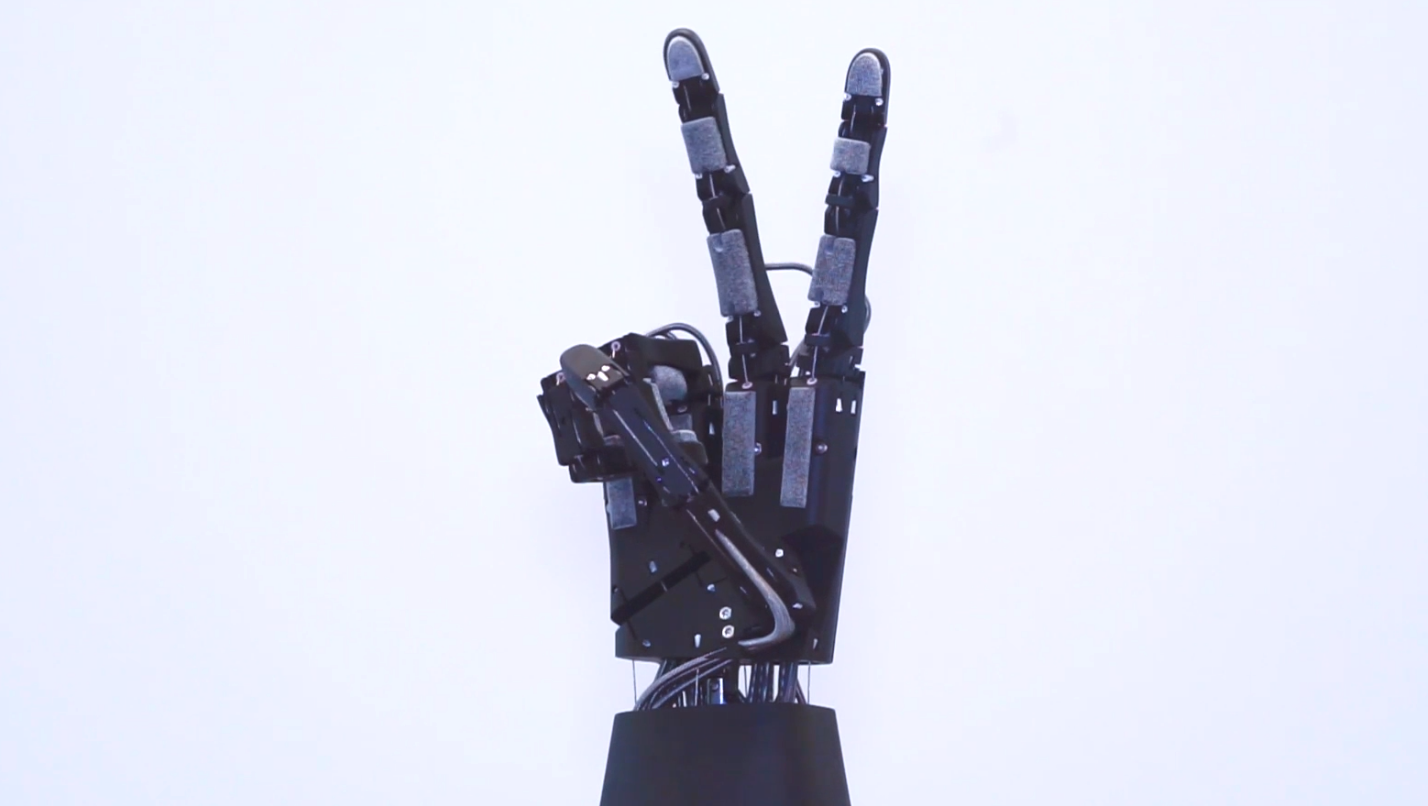
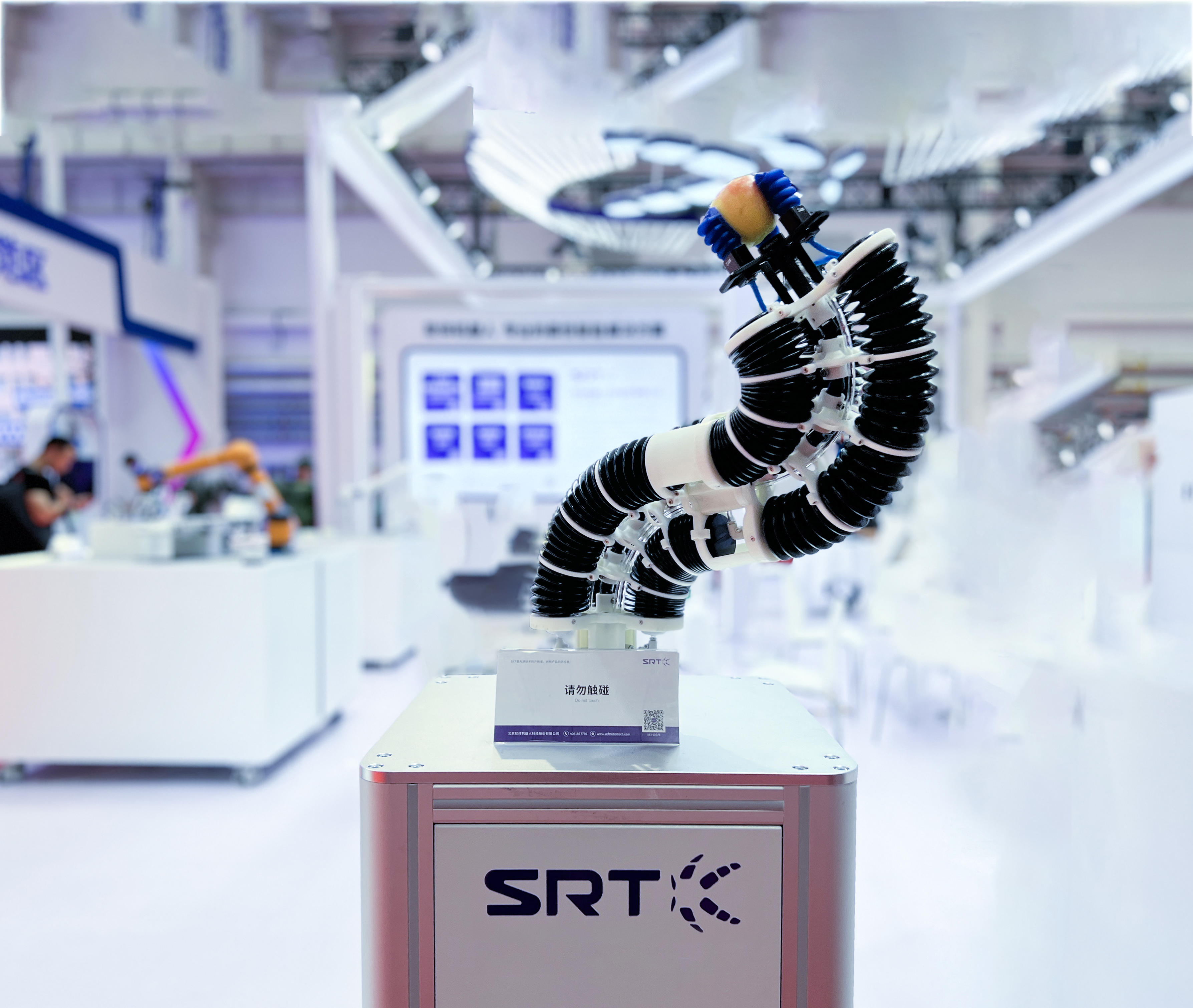
For future industries such as the low-altitude economy and Embodied Intelligence, the project will carry out prototype testing, parameter optimization, and reliability validation for Bionic Flexible Arms, Soft Dexterous Hands, and Fiber-Optic Sensing Soft Robotic Hands, accelerating the iteration of cutting-edge technologies.
03
Soft Robotics Product R&D Project
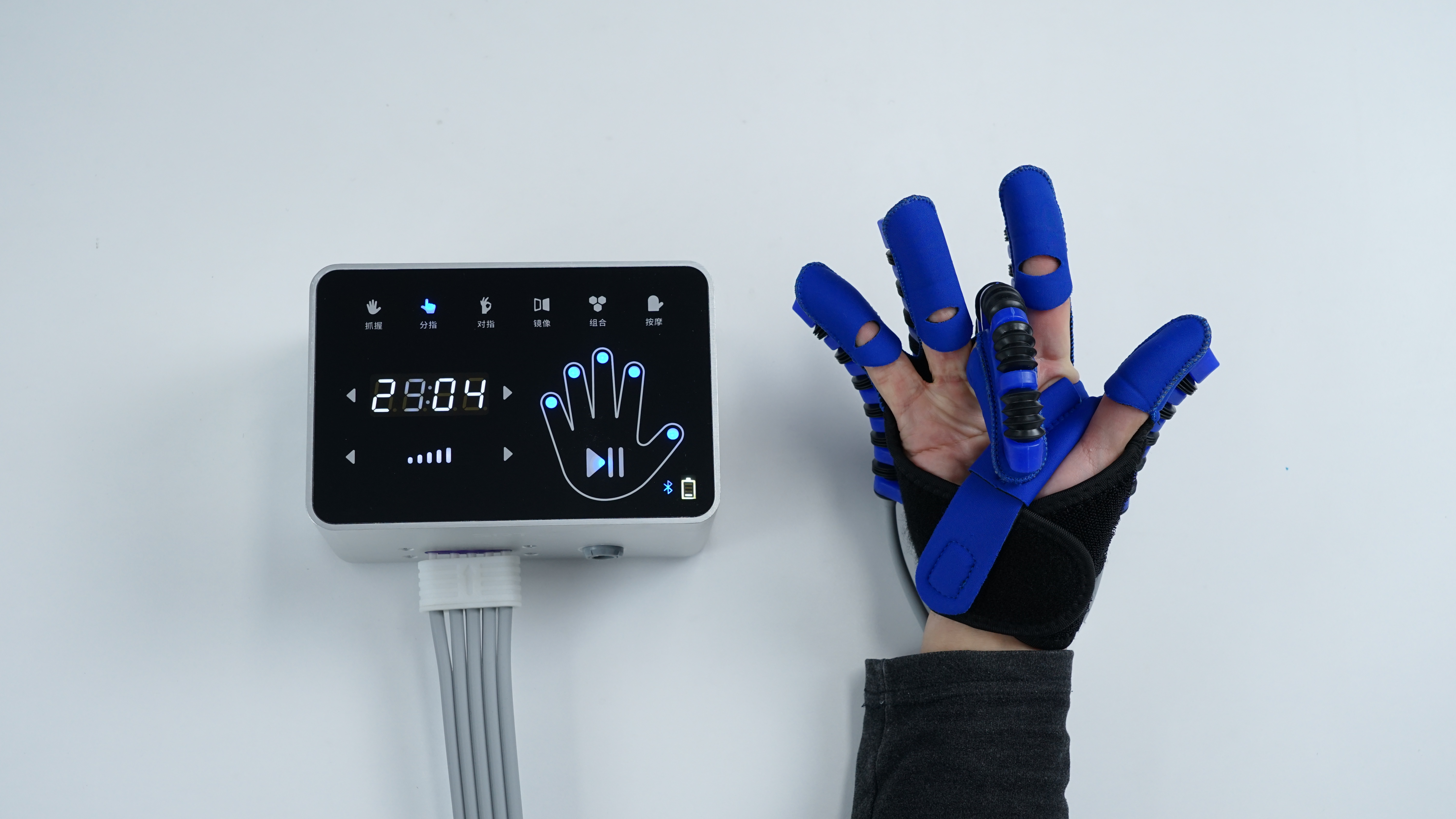
Focusing on the medical and healthcare sector, the project will develop an intelligent hand rehabilitation unit integrating Soft Robotics + Brain-Computer Interface (BCI), supporting equipment innovation for the silver economy.
04
Soft Robotics Proof of Concept Project
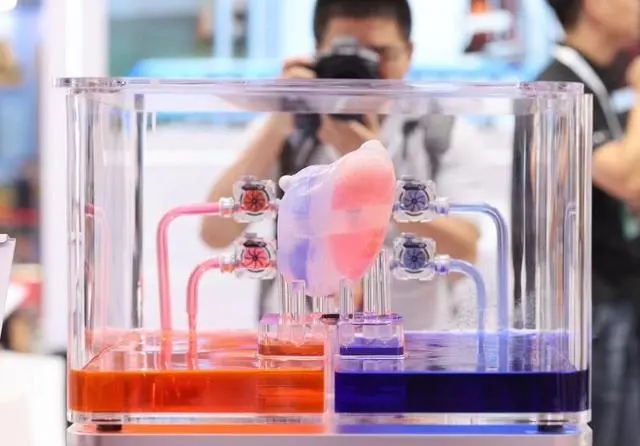
Focusing on key technologies such as rigid-soft coupling, soft actuation, and soft sensing, the project conducts principle and prototype validation to drive the transition of frontier research outcomes toward market-oriented applications.
Co-Creation Value
Building a Sustainable Closed Loop for Industry-Education-Research Development
2026
Through joint project development, SRT will work with partner colleges and universities to build a soft robotics applied technology R&D platform serving regional industries, tackling the “bottleneck” challenges enterprises face in technological innovation; jointly refine standardized industry solutions; incubate technological innovation products, supporting faculty and student innovation and entrepreneurship as well as the commercialization of research outcomes; jointly cultivate a dual-qualified teaching team with solid industry experience; and, in parallel, produce patents and software copyrights and participate in the development of industry technical specifications. Real R&D projects will be transformed into course resources and teaching cases, innovatively creating a lasting new model of “specialized, refined, distinctive, and innovative” (SRDI) Industry-Education-Research integration and forming a sustainable closed loop of “R&D – Service – Further R&D.”
Nationwide Co-Construction Partner Call
Priority for National/Provincial "Double High" Institutions
2026
The project is now launching a nationwide call for co-construction partner institutions. Eligible applicants include application-oriented undergraduate institutions, vocational undergraduate institutions, higher vocational colleges, and technical schools offering majors such as Intelligent Manufacturing Equipment Technology, Embodied Intelligence Engineering Technology, Semiconductor Equipment Engineering Technology, Mechatronics, Industrial Robot Technology, UAV Application Technology, Marine Engineering Equipment Technology, and Intelligent Medical Equipment Technology, among others. Priority support will be given to national- and provincial-level "Double High" institutions.
Applicant institutions must meet certain eligibility requirements. For detailed information, please download Attachment 1: Project Development Plan for the Machinery Industry Soft Robotics Technology Industry-Education-Research Integration and Innovation Center (Scope of Solicitation and Basic Eligibility Requirements).
We welcome eligible institutions to actively contact us for consultation.
About the Machinery Industry Education Development Center
Established in 1994, the Machinery Industry Education Development Center is a public welfare institution approved by the State Commission Office for Public Sector Reform (SCOPSR). It is currently affiliated with the State-owned Assets Supervision and Administration Commission of the State Council (SASAC) and co-located with the Education and Training Department of the China Machinery Industry Federation (CMIF). As the centralized management unit for education and training in the machinery industry, it coordinates and advances reform across all types of education and training in the industry. Leveraging a platform covering more than 660 colleges and universities, enterprises, and institutions, as well as a resource pool of over 2,300 experts, it deepens the integration of industry and education to provide talent support for the high-quality development of the machinery industry.